
Moxibustion for Breech, Transverse & Posterior Presentation
Supporting Fetal Positioning Through Moxibustion & Acupuncture in the Third Trimester
When a baby is in a breech, transverse, or persistently posterior position as the third trimester progresses, it can become a source of real concern — particularly as the window for natural repositioning begins to close. Moxibustion is a classical East Asian Medicine technique with a long history of use for supporting fetal positioning, and it remains one of the most well-known and researched applications of traditional medicine in pregnancy care.
At ECHO, moxibustion for fetal positioning is offered as part of a structured, time-sensitive protocol — ideally beginning before the most effective treatment window closes, and coordinated with ongoing monitoring by your midwife or OB.
What Is Moxibustion?
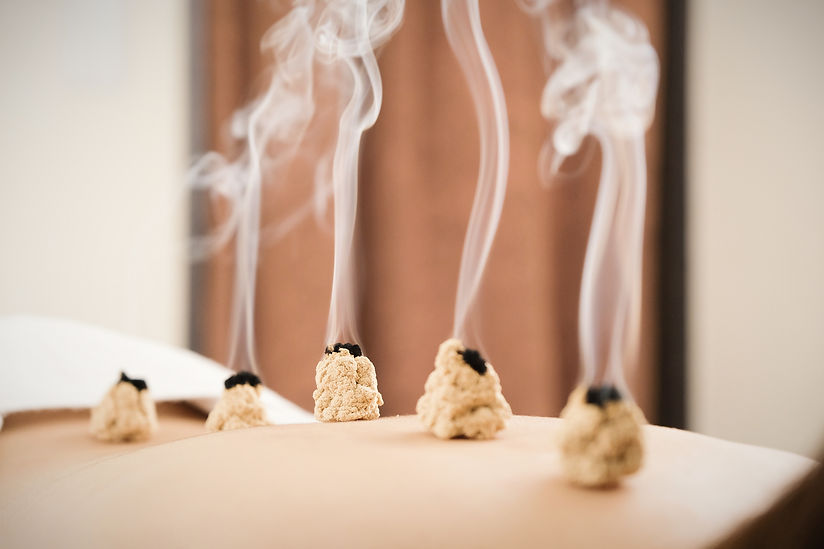
Moxibustion involves the application of heat from burning dried mugwort (moxa) near specific acupuncture points on the body. For fetal positioning, the primary point used is Bladder 67 (BL67), located at the outer corner of the little toe. This point has a long classical association with supporting uterine activity, fetal movement, and the conditions that encourage repositioning.
The treatment is non-invasive and gentle. The moxa stick is held near the point — not touching the skin — creating a focused warmth that is felt as pleasant rather than intense. Sessions are brief, typically 15–20 minutes per side, and can be performed in clinic or taught for home use when the timing and protocol call for it.
Timing & the Treatment Window
The most effective window for moxibustion to influence fetal positioning is typically between 34 and 36 weeks. After approximately 36 weeks, the baby has less room to move freely, and moxibustion tends to be significantly less effective for repositioning. For this reason we prefer to begin treatment slightly before that window — ideally around 33 weeks — to allow time for:
-
Multiple treatment sessions over several weeks
-
Ongoing position checks with your midwife or OB
-
Adjustments to the plan if the baby turns and then repositions again
-
A home moxa protocol in the final week of the window if needed
It is not uncommon for babies to turn and then move back — particularly before 33 weeks, when there is still considerable space and mobility in the womb. This does not mean moxibustion isn't working. Our goal is to encourage a stable, lasting repositioning as pregnancy progresses and space naturally decreases.
After 36 weeks, moxibustion for positioning is typically discontinued. If the baby has not yet turned by that point, we will discuss next steps with you and ensure your obstetric team is informed.
Acupuncture as Secondary Support
Alongside moxibustion, acupuncture may be integrated to support the conditions that allow repositioning to occur — including reducing pelvic tension and tightness that can restrict fetal movement, supporting overall circulation and uterine tone, and calming the nervous system. A body that is less guarded and more at ease tends to provide more favorable conditions for the baby to shift.
This is not a replacement for moxibustion as the primary intervention — it is a complement to it, used when clinically appropriate and when the patient's overall picture suggests it would be useful.
What to Expect
Your first visit will include a brief intake and an assessment of where you are in your pregnancy and what your current monitoring has shown. From there, a treatment schedule is recommended based on your gestational age and how much time remains in the effective window.
A typical protocol involves weekly sessions through week 34, followed by twice-weekly sessions during weeks 34 and 35 as the window narrows. In the final week of the protocol, a home moxibustion kit and clear instructions may be provided so you can continue treatment daily between clinic visits — giving one last focused effort before the 36-week threshold.
If the baby turns at any point, moxibustion should be paused and only resumed if the baby repositions again. Please keep us updated — and continue routine monitoring with your midwife or OB throughout.
Moxibustion for fetal positioning is offered as a complement to your obstetric care, not a replacement for it. Please continue all routine prenatal monitoring and consult your midwife or OB if you have concerns about your baby's position or movement.
Related Services
Moxa for Breech, Transverse & Posterior Positioning
Moxibustion to support fetal repositioning in breech or transverse presentations, typically from 34 weeks onward.
Acupuncture and East Asian Medicine for Pregnancy Care & Labor Preparation
Acupuncture and complementary therapies for pregnancy support, fetal positioning, and labor preparation. Thoughtful, individualized care through every trimester and into birth preparation.